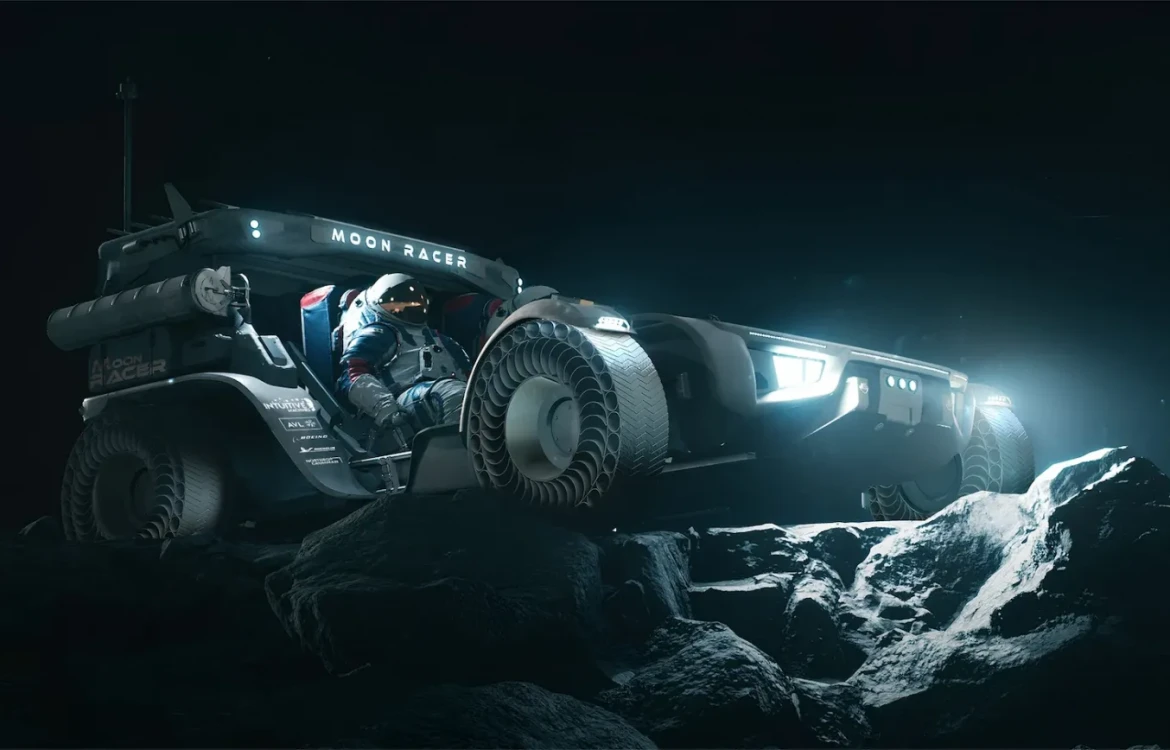

Image Credits: Intuitive Machines
NASA has given three space companies the chance to design the next generation moon buggy — but only one design will go to space. Intuitive Machines, Lunar Outpost, and Venturi Astrolab are developing rugged vehicles intended for astronauts to drive around on the lunar surface, from which NASA may choose as early as next year.
The three teams will now enter into a 12-month “feasibility phase” that will culminate in a preliminary design review. At that point, there will be a subsequent competitive request for proposals, where the trio of companies will compete for a demonstration task order, NASA officials explained during a press conference on Wednesday.
At that point, a final awardee will be selected. The chosen company will be responsible not only for designing the LTV but for launching and landing it on the moon prior to the Artemis V mission, which is currently slated for no earlier than 2029.
NASA declined to specify the dollar value of the awards, though Intuitive Machines said in a statement that it was awarded a $30 million contract. The total potential value of all the task orders over the next 13 years is $4.6 billion.
The three teams are also keeping specifications, like range or battery technology, close to the chest, though NASA specified that the rover would have to have an incredible 10-year lifespan and be capable of carrying two suited astronauts.
Intuitive Machines is leading a team that includes AVL, Boeing, Michelin, and Northrop Grumman; Lunar Outpost is leading the “Lunar Dawn” team that includes Lockheed Martin, General Motors, Goodyear and MDA Space; and Astrolab is joined by Axiom Space and Odyssey Space Research.
The awards are the latest to be doled out to private industry under the agency’s ambitious Artemis program, which seeks to eventually establish a permanent human presence on the moon. But in order to truly explore the surface, astronauts will need something to get around — and it will need to withstand the harsh environment of the lunar south pole, which is known for temperature extreme swings and very long nights.
“Think of it as a hybrid of the Apollo-style lunar rover that was driven by our astronauts and an uncrewed mobile science platform,” NASA’s Johnson Space Center director Vanessa Wyche said.
With the vehicles, astronauts will be able to transport scientific equipment, collect samples from the surface and travel farther than on foot, Jacob Bleacher, NASA’s chief exploration scientist, said. When astronauts are not on the moon, humans will be able to remotely operate the LTV, so it can continue to explore the region and even meet new astronaut crews when they arrive on the surface.
“With NASA’s Artemis campaign, we are building up the capabilities needed to establish a longer-term exploration and presence of the moon,” he said. “Where it will go, there are no roads. Its mobility will fundamentally change our view of the moon.”

行政建築除了洽公,還能成為人們日常停留、交流與欣賞城市風景的場所嗎?捷克東部古城 Přerov 市政廳近日迎來改造,以透明、開放且靈活的空間策略,重新定義市政廳與城市、市民之間的關係。
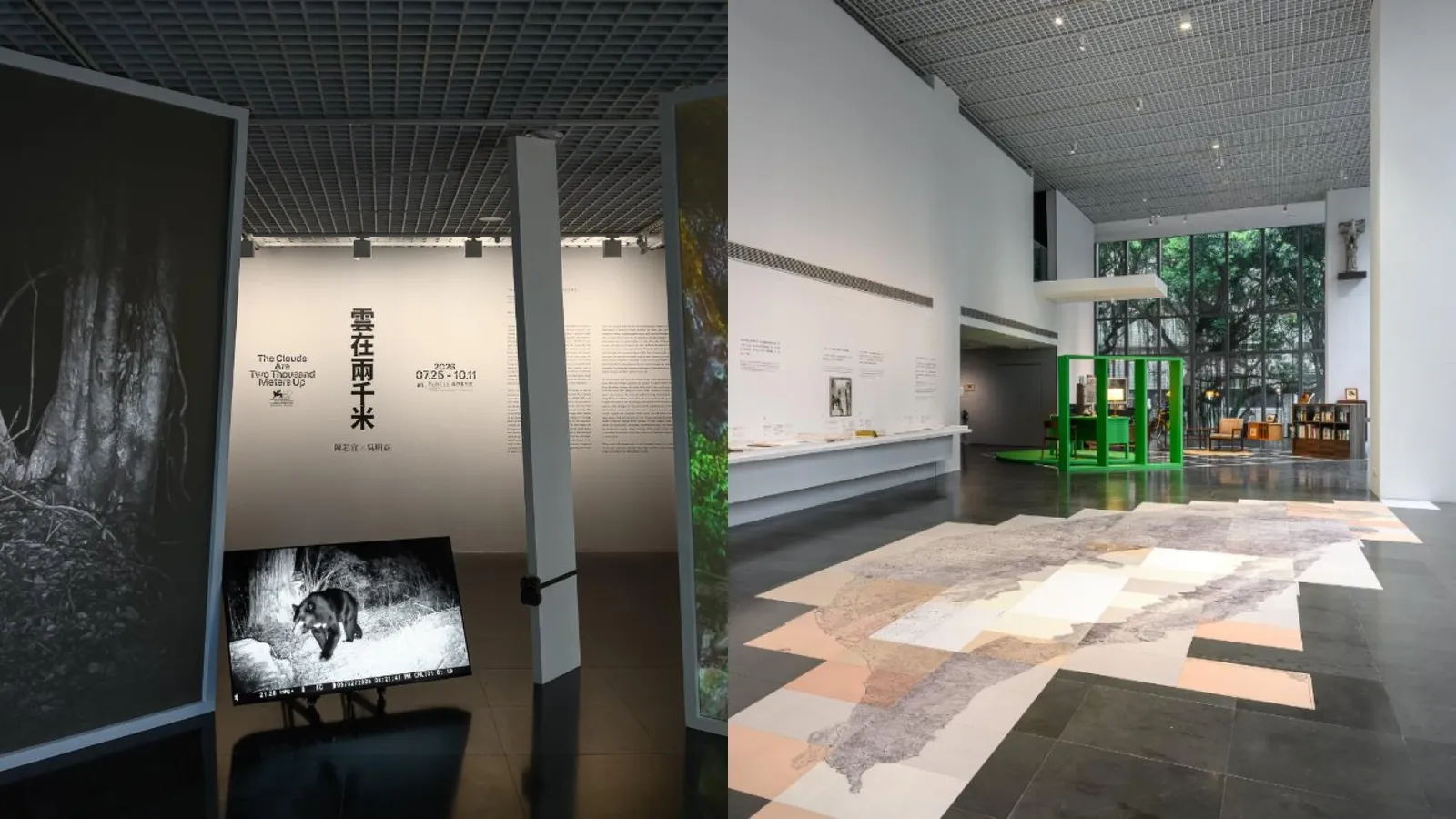
北師美術館《雲在兩千米》大展 7/25 登場!從珍貴野生動物影像、百年前臺灣地圖到吳明益書房與創作檔案,一窺文學如何成為可走入的感官世界。

坂茂於淡路島再添新作!全新旅宿 THE PASONA 已正式開幕,以海與山為設計起點,結合健康、睡眠與自然體驗,打造一座重新定義 Well-being 的療癒旅宿。
